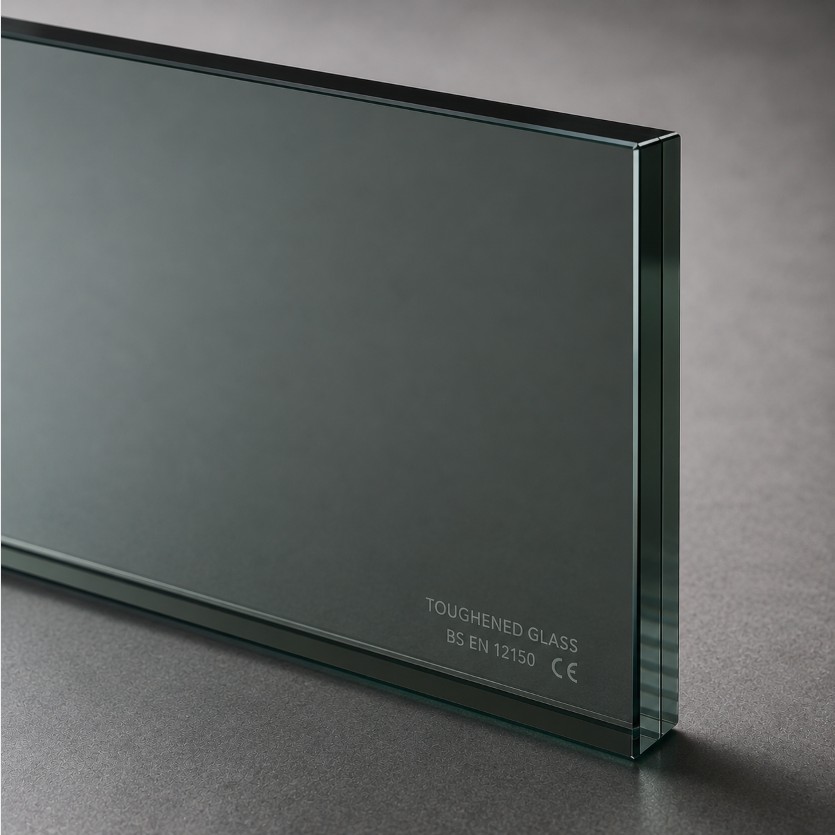
Browse our list of generic toughened glass sizes and their uses. We can also cut glass to any size.
| Toughened Glass Type | Common Thicknesses | Common Sizes / Applications | Style / Finish Options |
|---|---|---|---|
| Clear Toughened Glass | 4mm, 5mm, 6mm, 10mm, 12mm | Windows, doors, shower screens, pool fencing, balustrades | Standard clear finish |
| Low-Iron Toughened Glass | 6mm, 10mm, 12mm | Premium shower screens, glass balustrades, display panels | Extra-clear glass with reduced green tint |
| Frosted Toughened Glass | 6mm, 10mm, 12mm | Bathrooms, privacy screens, office partitions | Etched, acid-etched, or satin finish |
| Tinted Toughened Glass | 5mm, 6mm, 10mm, 12mm | Windows, doors, balustrades, commercial glazing | Grey, bronze, green, blue, or custom tint |
| Patterned Toughened Glass | 4mm, 5mm, 6mm | Bathroom windows, feature panels, decorative glazing | Obscure, textured, reeded, or decorative patterns |
| Toughened Safety Glass | 6mm, 10mm, 12mm | Areas requiring safety glass compliance | Clear, tinted, frosted, or patterned |
| Heat-Soaked Toughened Glass | 10mm, 12mm, 15mm | Commercial facades, balustrades, overhead glazing | Clear, low-iron, or tinted finish |
| Custom-Cut Toughened Glass | Made to specification | Tabletops, shelves, splashbacks, partitions, custom panels | Polished edges, rounded corners, drilled holes, cut-outs |
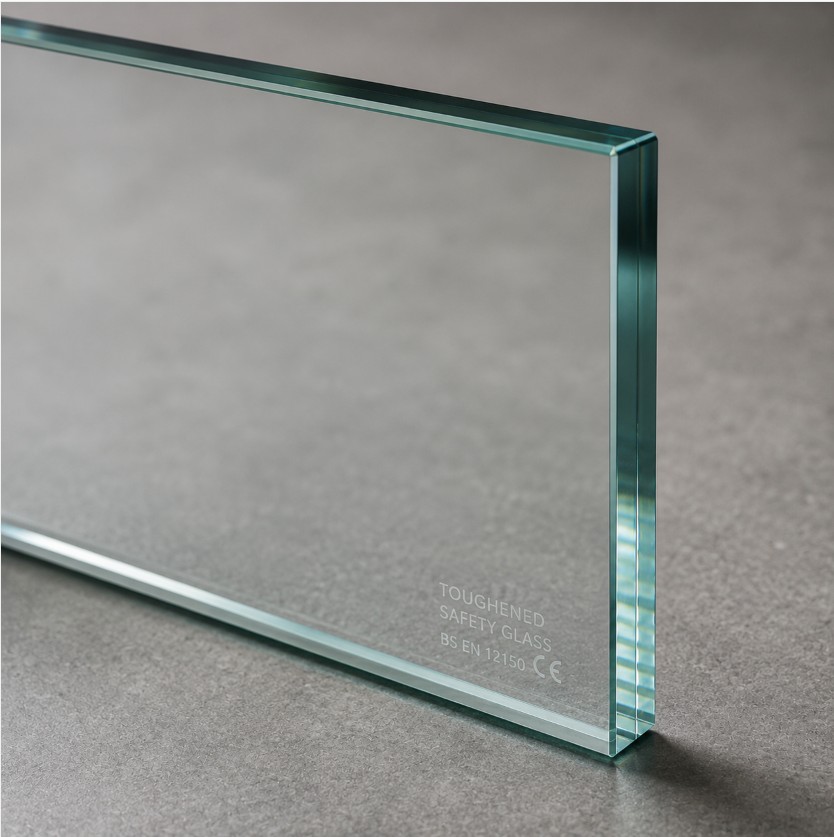
When choosing glass for your home or commercial property, one of the most common questions is whether toughened glass or laminated glass is the better option. Both are classified as safety glass and offer significant advantages over standard float glass, but they are designed for different purposes and applications.
What Is Toughened Glass?
Toughened glass, also known as tempered glass, is manufactured through a specialised heating and rapid cooling process that makes it up to five times stronger than ordinary glass. This increased strength allows it to withstand greater impacts, temperature changes, and everyday wear and tear.
One of the key safety benefits of toughened glass is the way it breaks. Instead of shattering into large, sharp pieces, it fractures into small, blunt fragments that reduce the risk of serious injury.
Toughened glass is commonly used in:
What Is Laminated Glass?
Laminated glass consists of two or more layers of glass bonded together with a durable interlayer, usually made from polyvinyl butyral (PVB). If the glass is broken, the interlayer holds the fragments together, preventing the glass from falling out of the frame.
This construction provides excellent safety, security, and noise reduction benefits. Laminated glass also blocks a significant amount of UV radiation, helping to protect furniture and flooring from fading.
Laminated glass is commonly used in:
Which Glass Is Better?
The answer depends on the intended application. Toughened glass is generally the better choice when strength and impact resistance are the primary requirements. It is ideal for areas where building regulations require safety glass and where a clear, durable solution is needed.
Laminated glass is often preferred when security, noise reduction, and glass retention after breakage are important. Because the glass remains largely intact when broken, it provides an additional level of protection against forced entry and accidental falls.
The Best Solution
In many situations, neither option is universally better. Instead, the best choice depends on your specific needs. For pool fences, shower screens, and balustrades, toughened glass is often the preferred solution. For security glazing, street-facing windows, and areas requiring sound reduction, laminated glass is usually the better option.
A professional glazier can assess your requirements and recommend the most suitable glass type to ensure compliance, safety, durability, and long-term performance.
Creating a safe home environment is a top priority for families with young children. While many parents focus on securing furniture, stairways, and electrical outlets, glass can often be overlooked as a potential safety hazard. Installing safety glass throughout your home is one of the most effective ways to reduce the risk of injuries and create a safer living space for children.
What Is Safety Glass?
Safety glass is specially manufactured to minimise the risk of injury if it is broken. The two most common types are toughened glass and laminated glass. Toughened glass is up to five times stronger than standard glass and shatters into small, blunt fragments rather than large, sharp shards. Laminated glass consists of multiple layers bonded together with a durable interlayer that holds the glass in place if it breaks.
Both options provide significantly greater protection than ordinary glass and are commonly used in modern homes to improve safety.
Identify High-Risk Areas
When childproofing a home, it is important to identify locations where children are most likely to come into contact with glass. These areas include:
Children often run, play, and explore without recognising potential hazards, making these areas particularly important to assess.
Upgrade to Toughened or Laminated Glass
Replacing standard glass with safety glass can greatly reduce the risk of serious injuries. Toughened glass is ideal for shower screens, glass doors, and pool fencing due to its strength and impact resistance. Laminated glass is often preferred for windows and doors where additional security and glass retention are required.
In many modern homes, Australian building regulations already require safety glass in certain locations, but older homes may still contain standard glass that can pose a risk.
Install Glass Balustrades and Pool Fencing Correctly
Glass balustrades and pool fences provide safety without obstructing visibility. When professionally installed using compliant toughened safety glass, they create secure barriers around staircases, balconies, decks, and swimming pools while maintaining a modern appearance.
Consider Safety Film and Glass Upgrades
For homeowners not ready to replace existing glass, safety film can provide an additional layer of protection by helping hold broken glass together. While it does not offer the same level of protection as purpose-made safety glass, it can improve safety in certain situations.
Create a Safer Family Home
Childproofing with safety glass is a practical investment that helps protect children from accidental injuries while improving the overall safety, security, and value of your home. By upgrading vulnerable areas with toughened or laminated safety glass, families can enjoy greater peace of mind knowing their home has been designed with safety in mind.